
From Aerography to Muralism,
A Passion for Urban Art
In a conversation full of anecdotes and reflections, Roberto Islas Presa—better known as Dr. Twms—invites us into his creative universe. From his roots in Actopan, Hidalgo, to his large-scale murals in Mexico City, he captures his essence in every work: lived experience, bold color, and a deep admiration for Mexican traditions.
Dr. Twms has developed a multifaceted career that spans aerography, body paint, tattooing, and muralism. His work stands out not only for its technical strength, but for its ability to connect with public spaces—turning walls into storytelling surfaces that belong to the community.
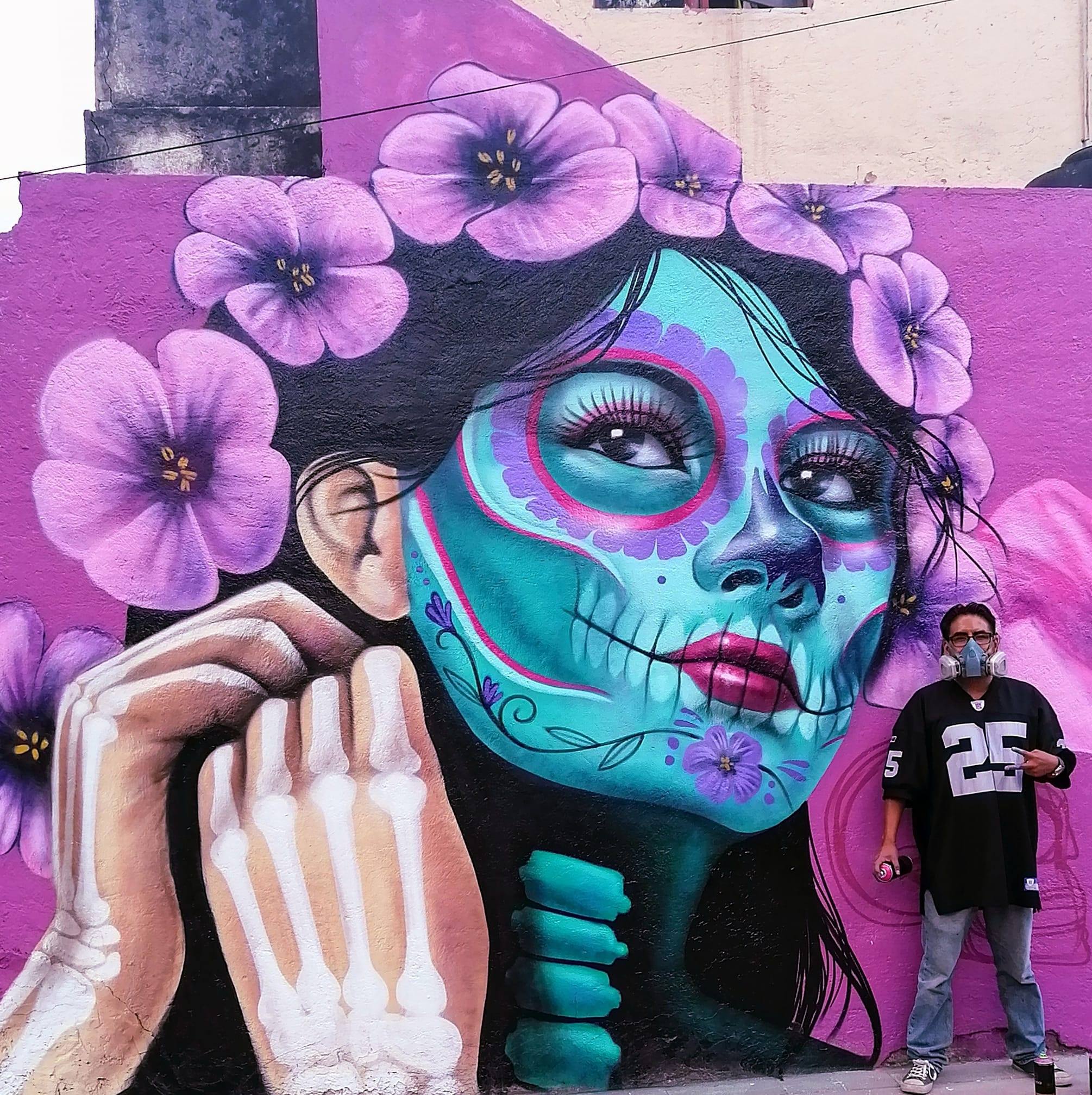
Roberto’s relationship with art began early. Drawing as a child eventually evolved into graffiti—a form of expression that gave him a voice, a style, and a path. Like many artists shaped by their generation, pop culture and music played a role in his imagination.
Those influences planted the seed for what would later become a career built on experimentation—moving from paper to skin, from airbrush to wall, and from private practice to public-scale creation.
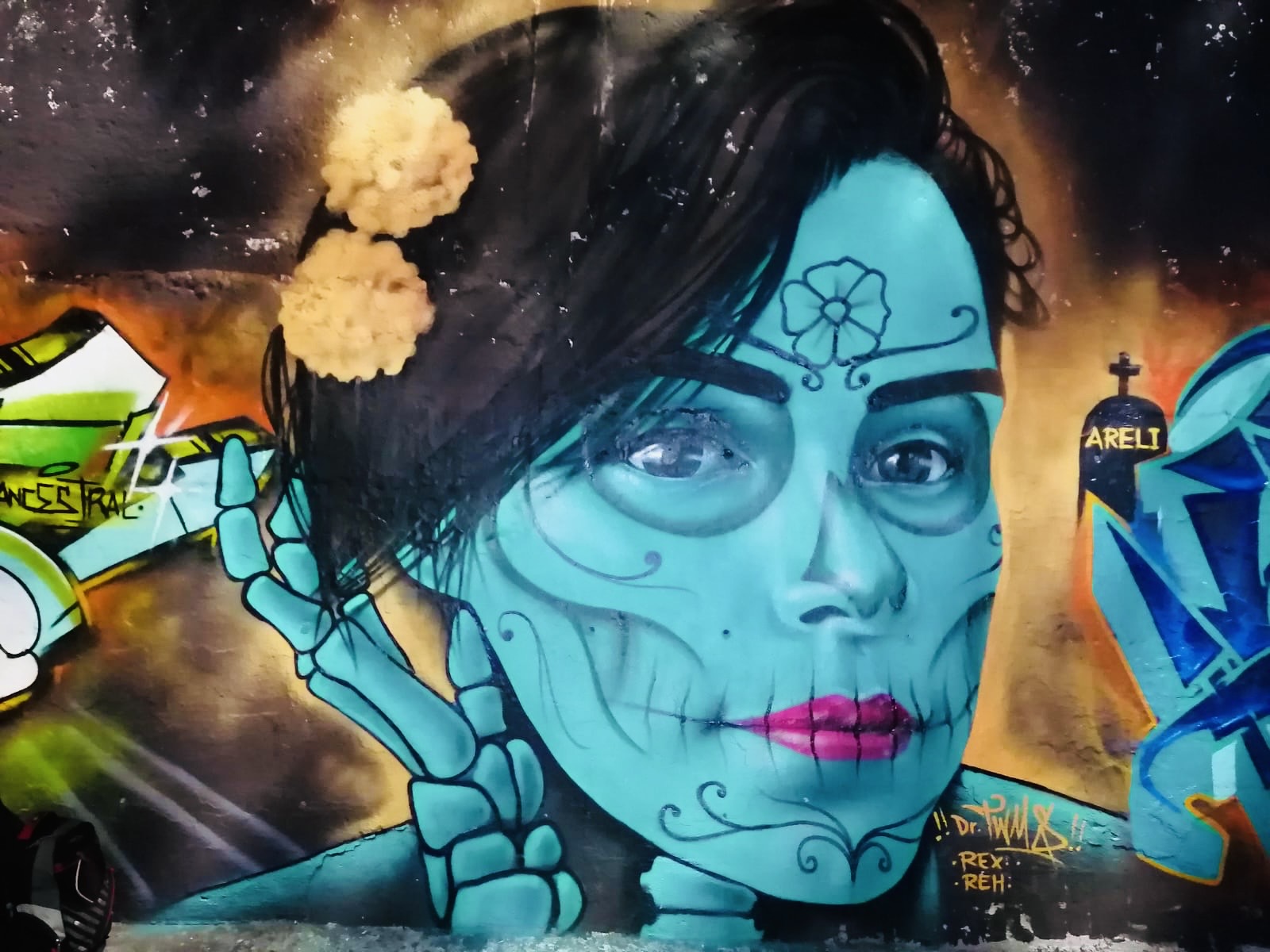
Urban art comes with real-world obstacles. Permissions, timing, weather, and public perception are part of the job—but one of the biggest struggles has historically been dealing with authorities, even when the artist has the wall owner’s approval.
Over time, some of those issues improved, but new challenges arrived—especially the technical leap required to paint on a massive scale. Transitioning from a small sketch to a full mural is a process, and mastering aerosols takes patience.
One of Dr. Twms’ most emblematic murals is his Catrina, created at the end of the pandemic. For him, the tradition of catrinas is not only a cultural symbol, but also a bridge between body paint and muralism—bringing designs once made for skin into the permanence of a wall.
But the mural holds deeper meaning. It serves as a tribute to those lost during COVID-19—honoring grief without falling into darkness.
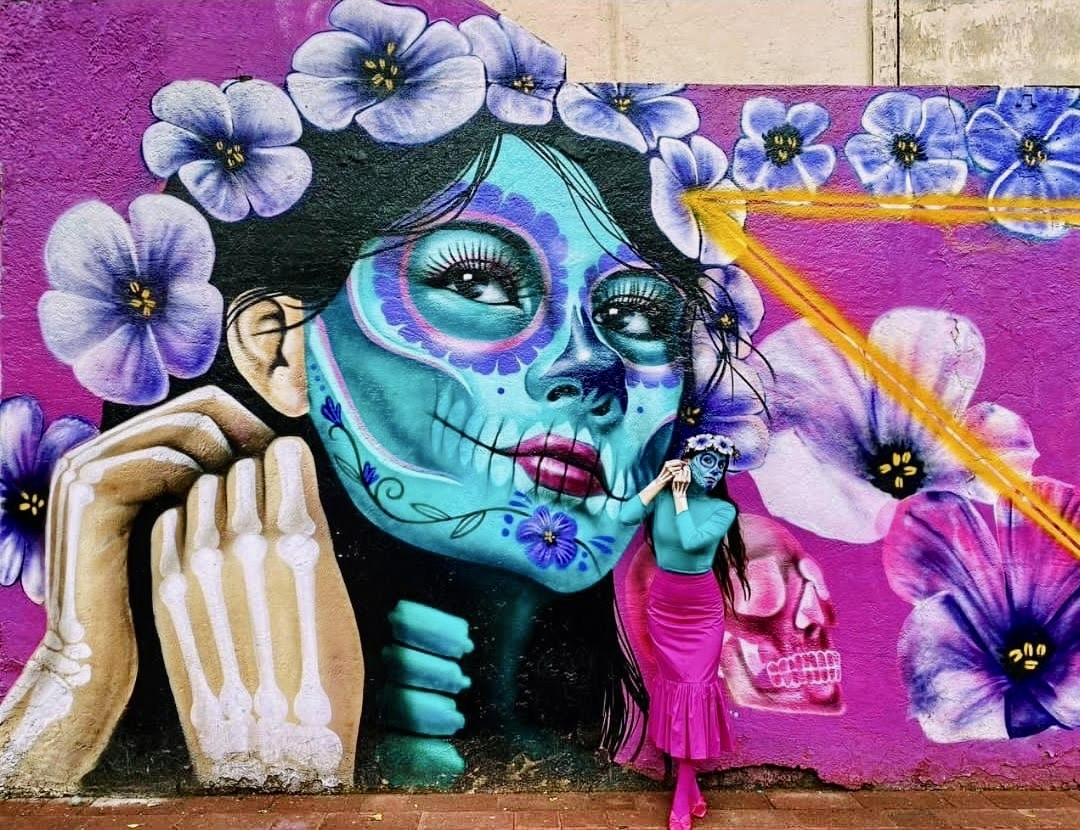
The reaction to the mural was immediate. People approached not only to admire the work, but to offer support—bringing water, food, and words of gratitude. For many, it became a space of shared memory.
When photos of the mural went viral, Roberto felt a mix of surprise and pride. Located in Garibaldi, Mexico City, the piece remains a testimony to his ability to transform space—and to connect art with real people.
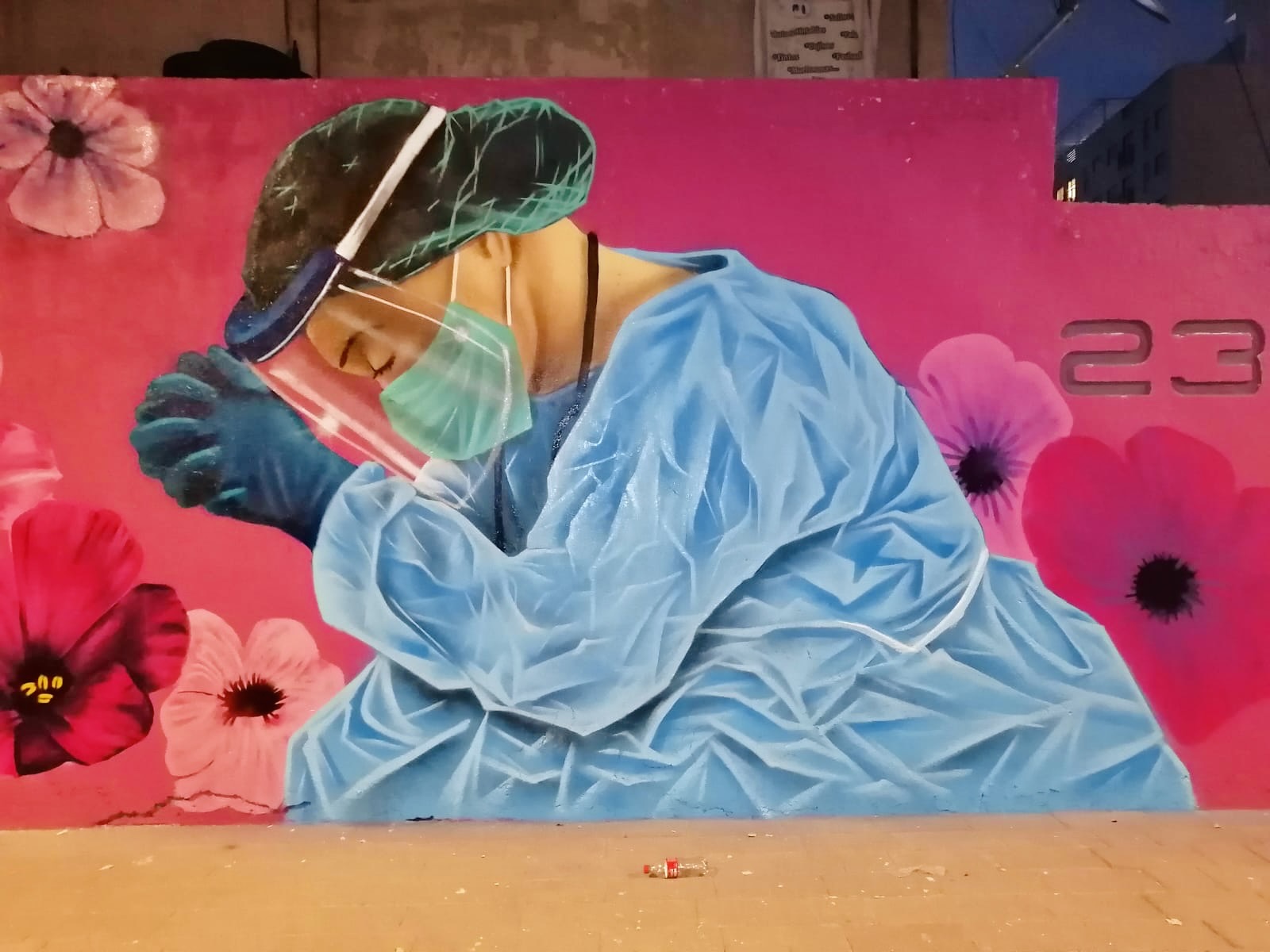
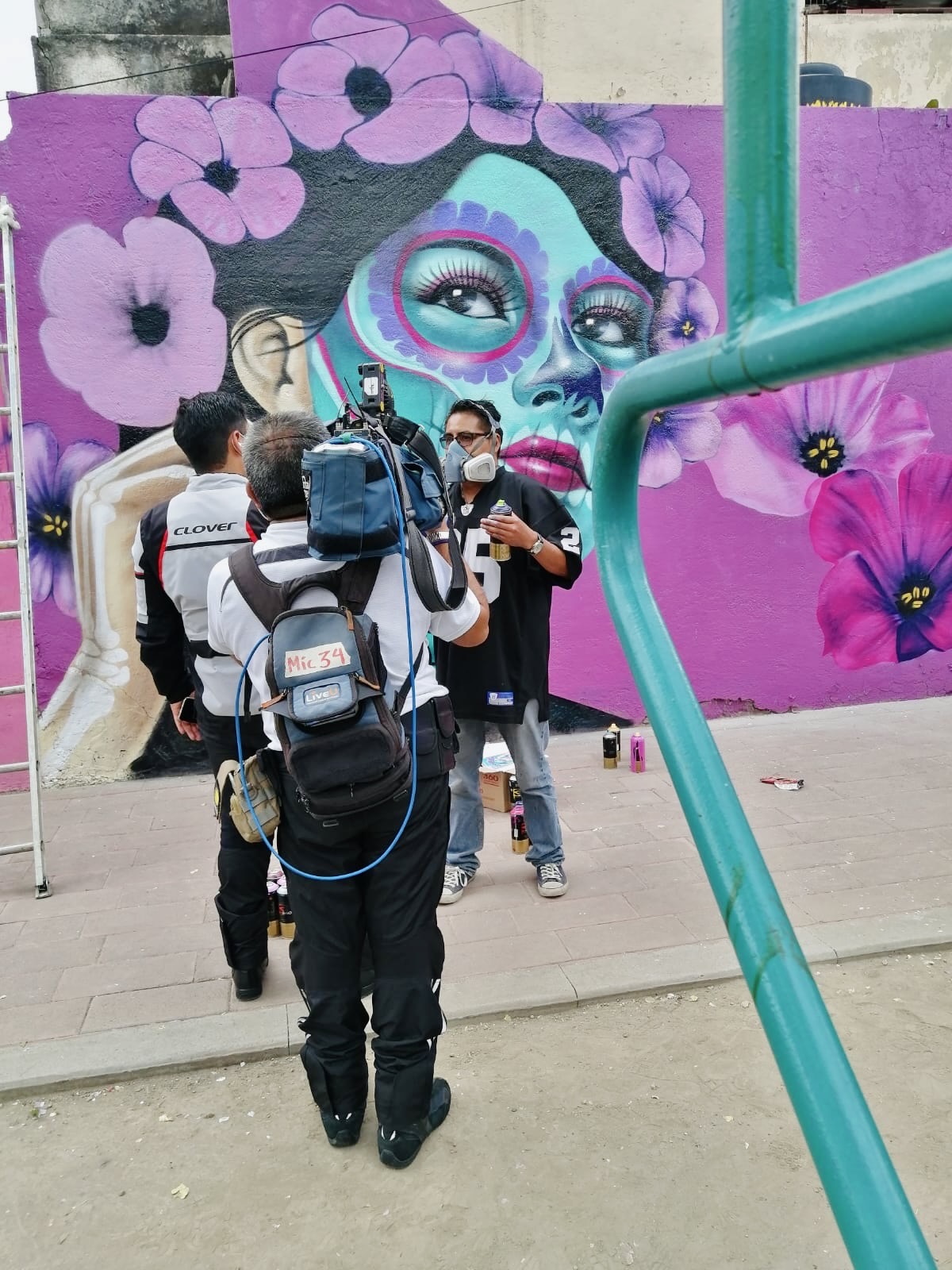
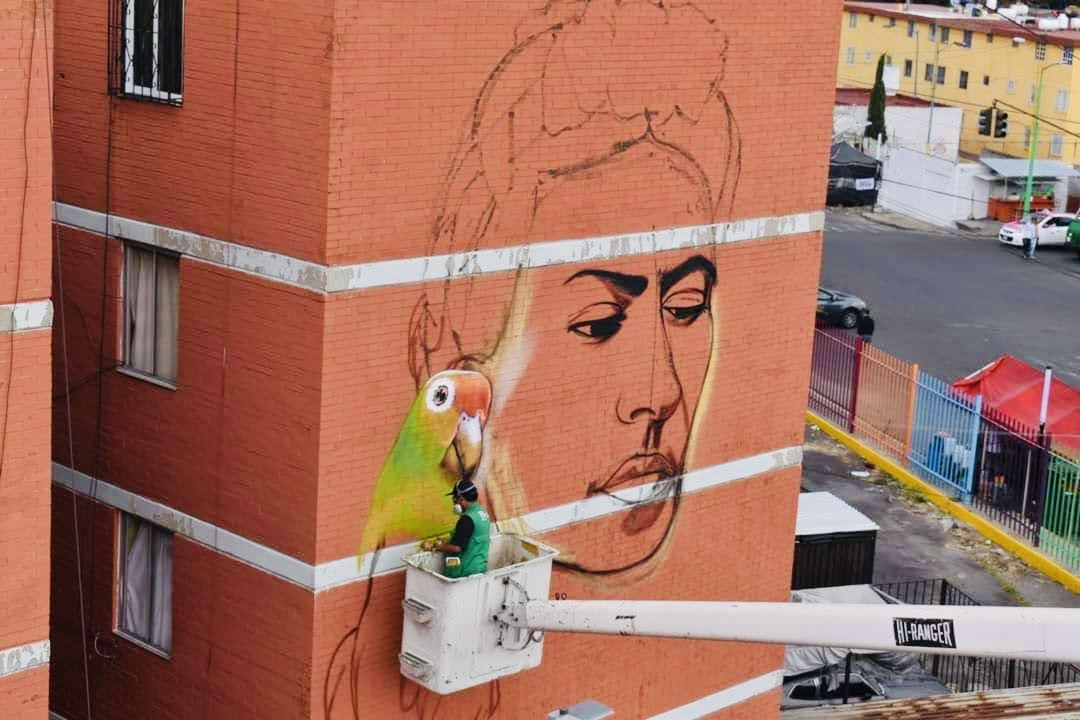
Beyond the Catrina mural, Dr. Twms continues to explore Mexican identity through large-scale portraits that celebrate cultural icons. Painting at monumental height demands not only technical skill, but also discipline, planning, and a deep respect for the subject.
In each new wall, he reinforces the same mission: transform public spaces into living galleries where tradition, color, and community meet.
For those who want to start in graffiti and muralism, Dr. Twms shares advice grounded in discipline and respect for the craft.
Between murals and aerosol cans, Dr. Twms continues to leave his mark on the city walls—and in the hearts of those who encounter his art. Every mural becomes a window into a world full of color, tradition, and hope.