

The Monumental Altar of the Dead of Citibanamex in the Historic Center
Exploring the Living Tradition of Day of the Dead Altars in Mexico City
Day of the Dead is a celebration deeply embedded in Mexican identity—a cultural expression that blends pre-Hispanic beliefs
and Catholic elements, evolving into a symbol of Mexico’s richness and diversity. Far from being a moment of mourning,
this festivity is celebrated with joy and devotion, honoring the memory of those who have passed away.
In every corner of Mexico, Day of the Dead altars are one of the most visible and heartfelt representations of this tradition. In Mexico City, altars are meticulously set up in homes, public squares, and even iconic buildings.
One of the most impressive is the monumental altar displayed annually at the Palacio de Cultura Citibanamex – Palacio de Iturbide. This year, the tradition continues with a tribute dedicated to over 120 people who collaborated with Fomento Cultural Citibanamex on various cultural projects.
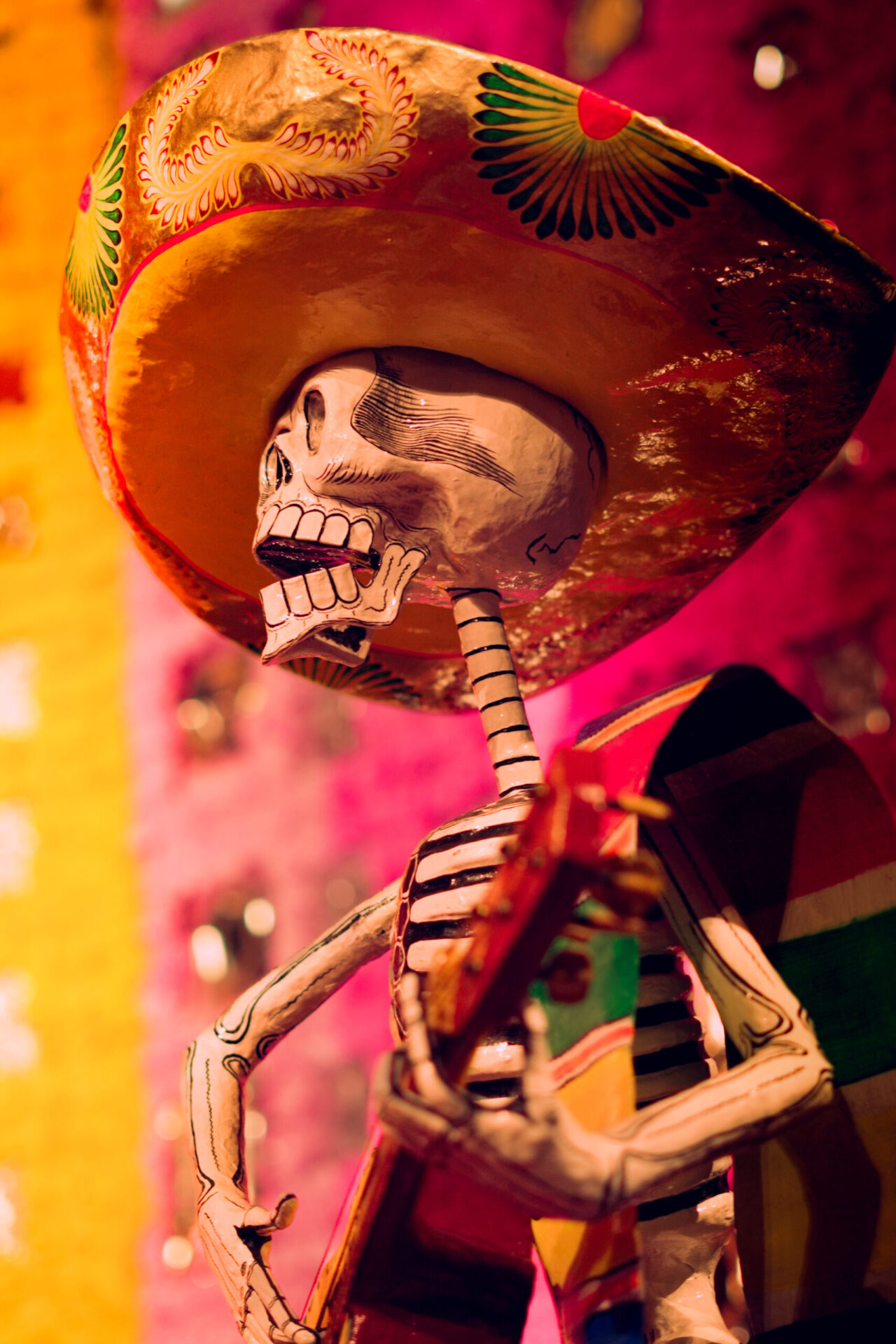
This year’s Altar de Muertos, designed by Cristina Faesler, is an elaborate display of art and symbolism featuring collaborations from renowned artisans such as María Ayala and Leticia Sánchez Cuahuititla, who contributed beautiful paper flowers, and José Luis Cuevas, a master of cut metalwork.
The altar also includes the work of other artisans who brought their expertise to create candelabras, scalloped candles, and embossed aluminum pieces—each element adding depth, craftsmanship, and meaning to the installation.
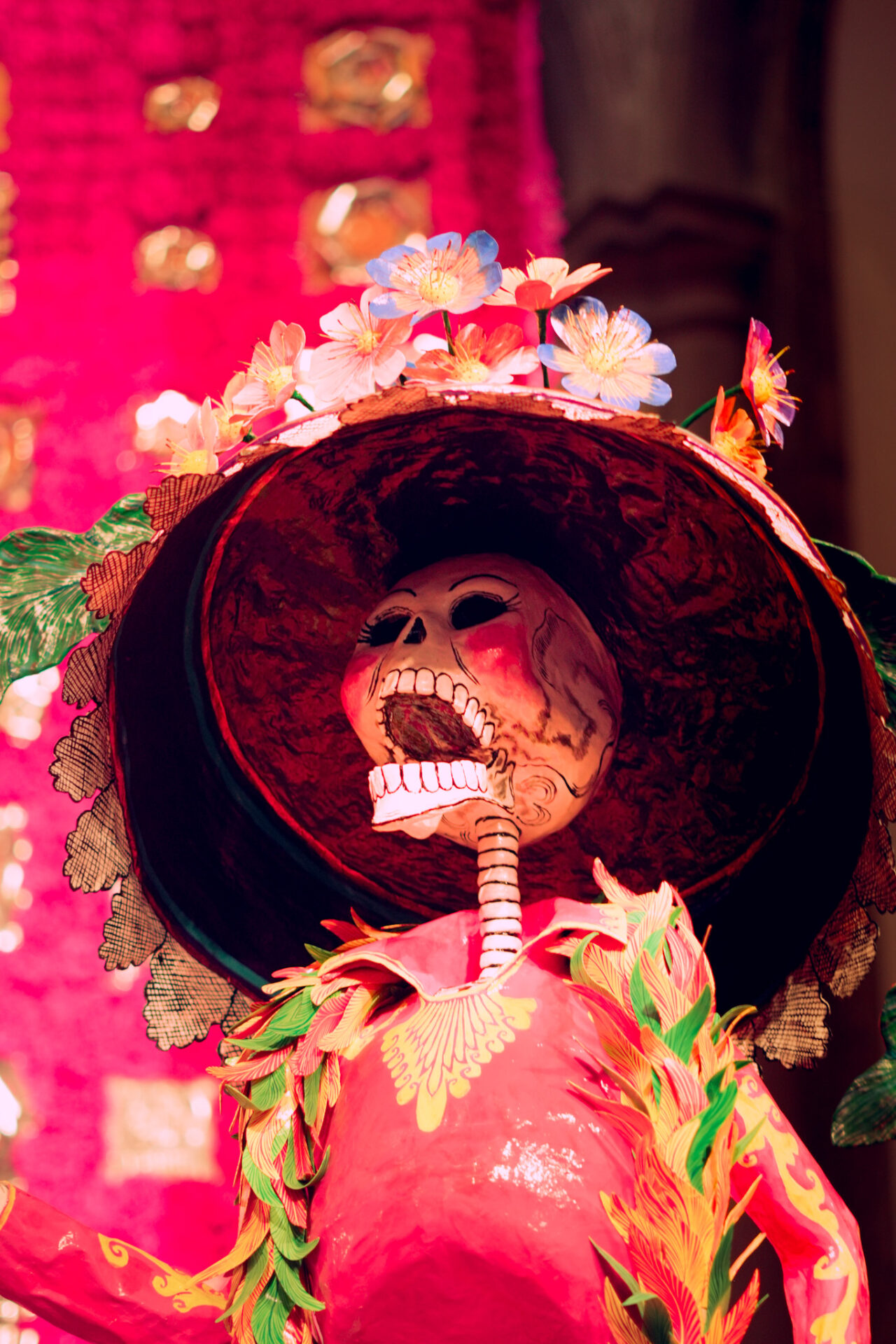
This space serves not only as a tribute to those who contributed to preserving and promoting Mexican culture, but also as an exhibition of pieces from the Collection of Great Masters of Folk Art by Fomento Cultural Citibanamex.
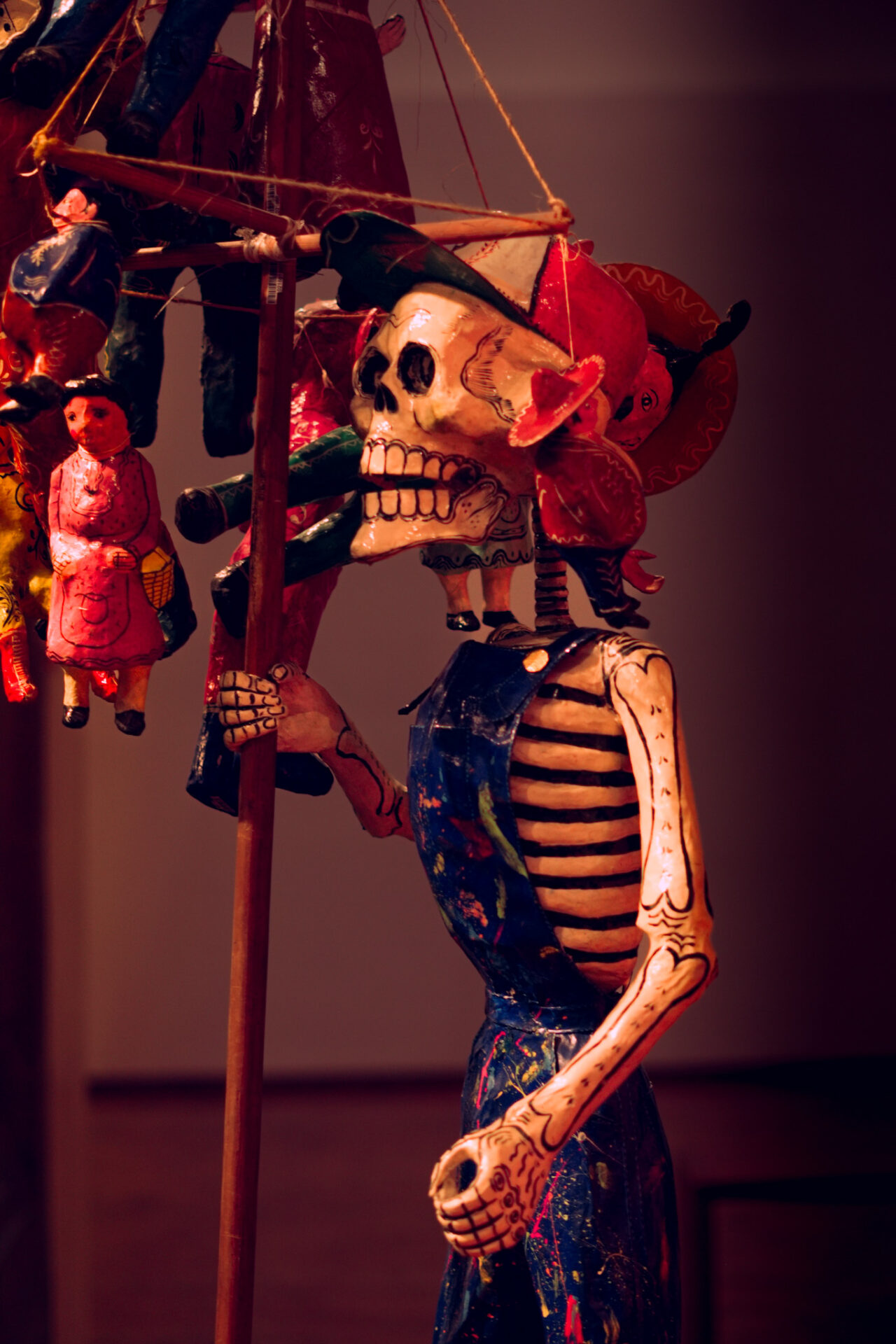
Visitors can admire traditional papier-mâché figures by the Linares family from Mexico City, majolica from César Torres’ workshop in Puebla, and a lacquered trunk from Olinalá, Guerrero, among other works that highlight the diversity of Mexico’s artistic heritage.
Day of the Dead altars vary in size and complexity, but they share essential elements that carry deep meaning:
- Candles: represent the light that guides the souls of the departed.
- Cempasúchil (marigold flowers): mark the path from the world of the living.
- Pan de muerto: symbolizes earth and fraternity.
- Water: quenches the souls’ thirst after their long journey.
- Salt: signifies purification.
Each detail of an altar holds purpose: photographs, sugar skulls, and personal items become reminders of the importance of keeping family memories and traditions alive.
The altar at Palacio de Cultura Citibanamex is a powerful example of how tradition adapts to modern times without losing its essence—showcasing artisan work and continuing the narrative of history through living culture.
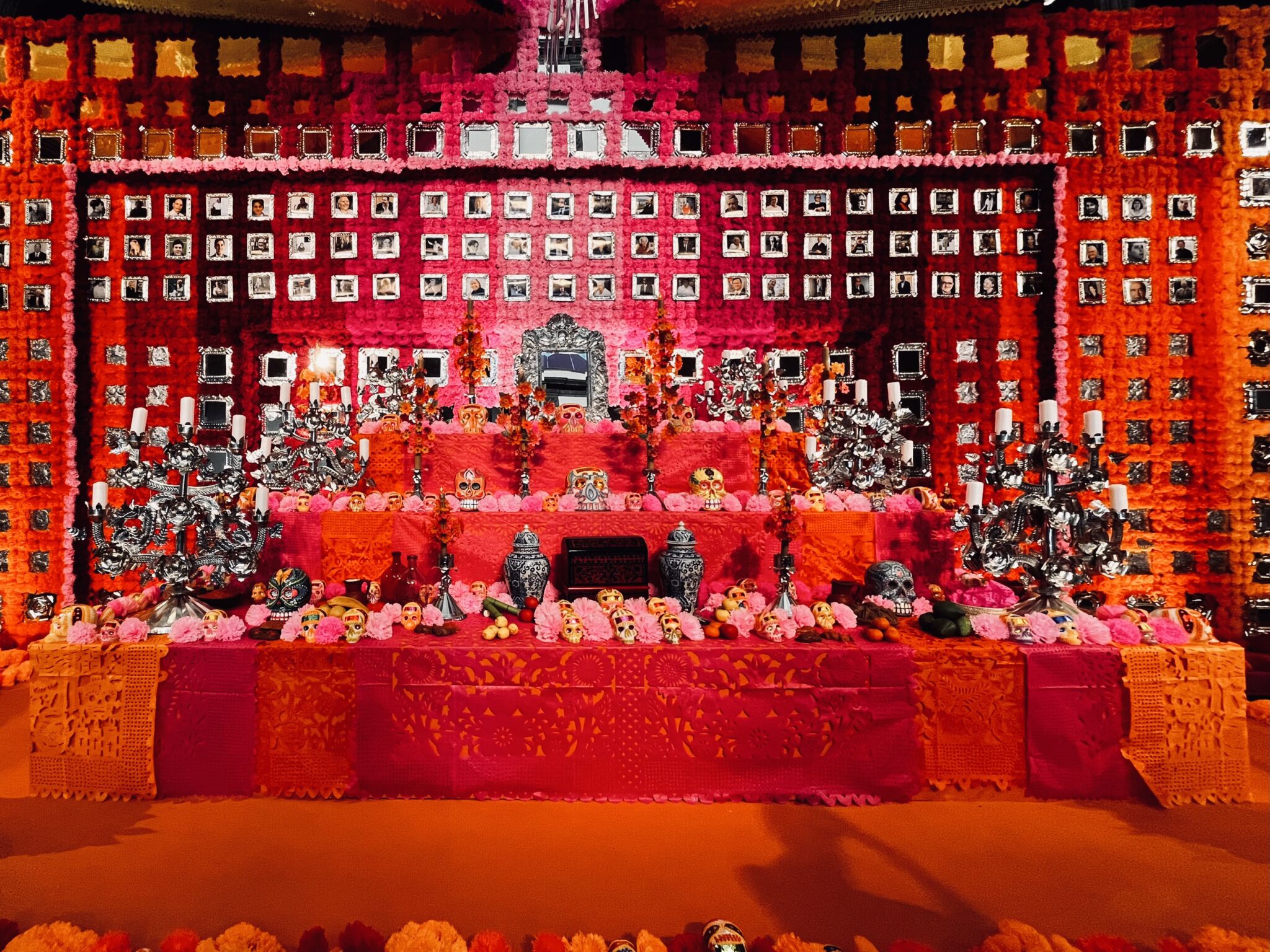
If you visit the Historic Center during this season, take a moment to experience this altar in person. You will not only witness a breathtaking installation—you will step into a story that continues to be written every year.