
The Most Impressive Statues in the World
Sculptural art has been one of the oldest and most powerful forms of human expression. Through these masterpieces, artists have captured stories, emotions, and messages that endure over time. Today, we take you on a journey through some of the most impressive statues in the world—highlighting their origin, meaning, and unique characteristics.
From monumental tributes to underwater sanctuaries, these statues show how art can define identity, preserve memory, and transform landscapes—on land, along coastlines, and even beneath the sea.
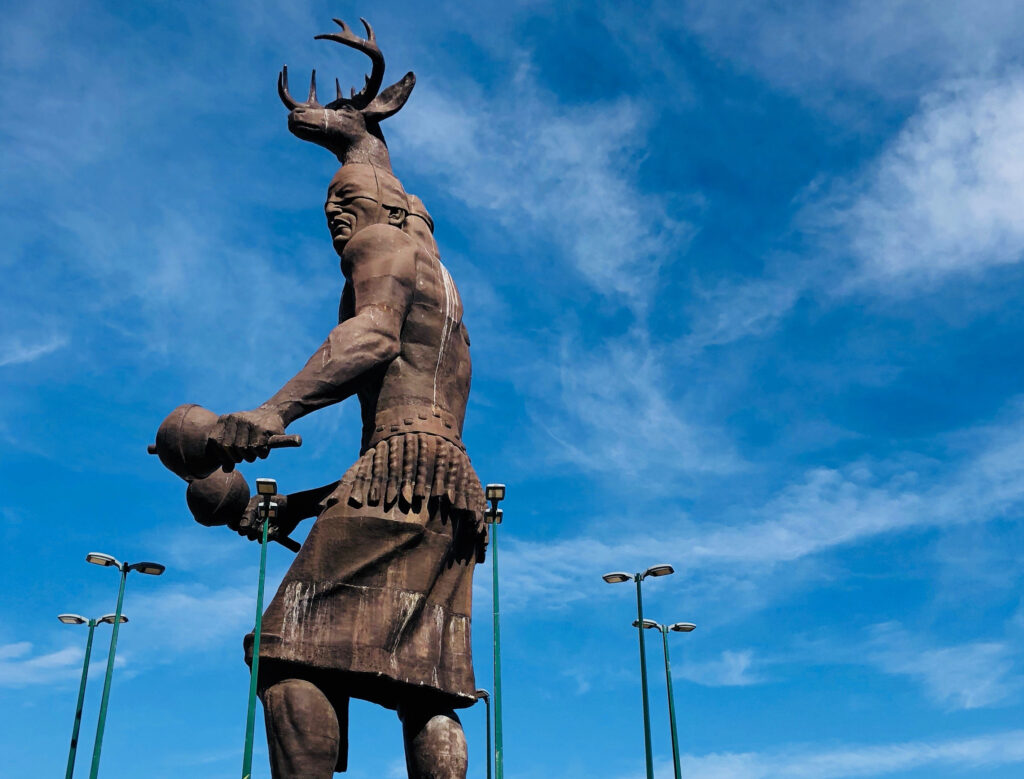
Imagine a monumental work that pays tribute to an ancient culture. The Statue of the Yaqui Dancer, located in the Yaqui Valley, Sonora, stands 33 meters tall and is made of synthetic bronze. Created by Sonoran artist Marlon Balderrama Monge, this sculpture represents the traditional deer dance, symbolizing the connection between humans and nature. It is a living tribute to the Yaqui culture and its millennia-old legacy.
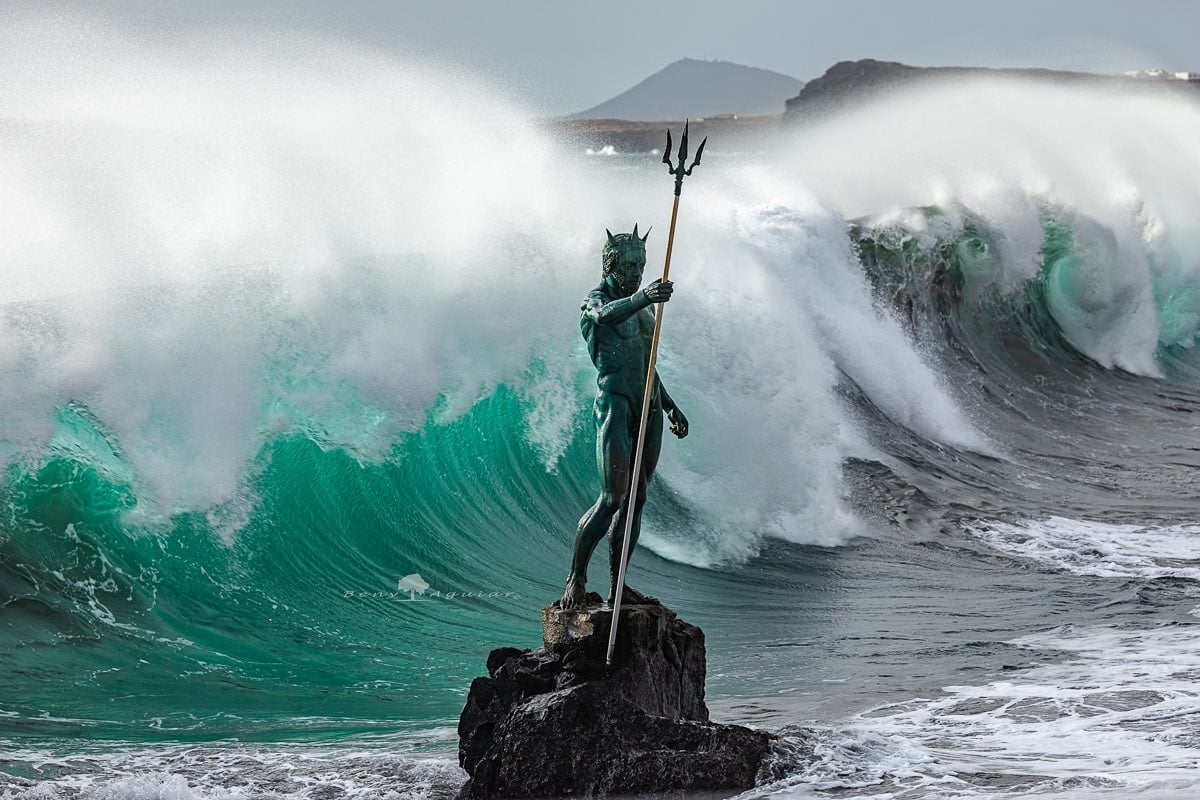
On Melenara Beach, Gran Canaria, rises an imposing figure of the Greek god of the sea: Poseidon. Standing 12 meters tall, this stainless steel sculpture was designed by artist Manuel Martín Piñero. It represents the strength and power of the ocean, serving as a tribute to the island’s historical connection with the sea.
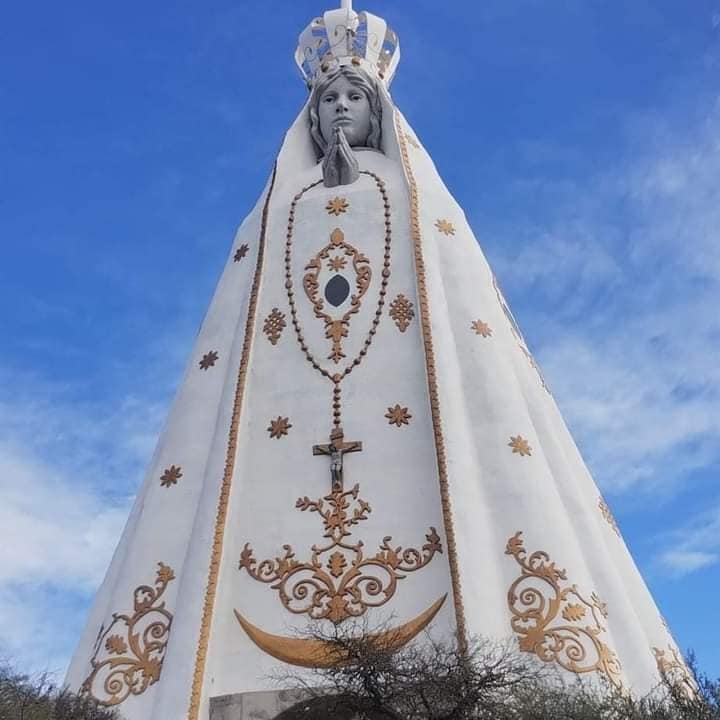
The Virgin of the Valley is a religious statue located in the province of Catamarca, Argentina. It stands 14 meters tall and is made of white marble. Created by sculptor Luis Perlotti, this work honors the patroness of the region and symbolizes faith, protection, and devotion for the local people.
In South Korea, the Karma Statue is a monumental work made of fiberglass, rising to 12 meters. Created by contemporary artist Do Ho Suh, this piece explores themes of destiny, balance, and the interconnectedness of all things—reflecting on karma as a universal principle.
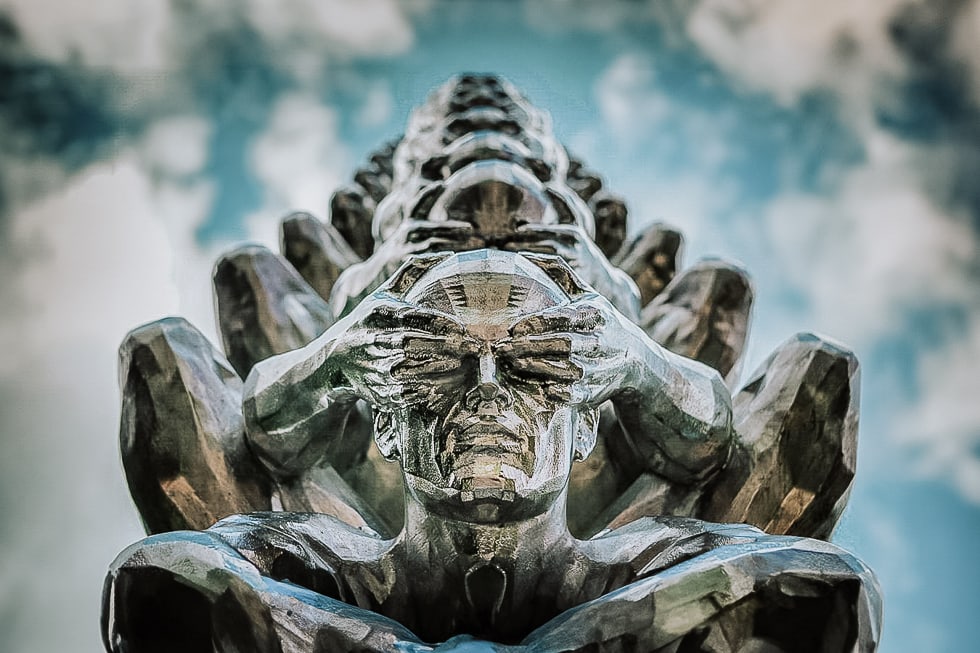
From South Africa comes Prosper, a 7-meter sculpture made of fiberglass and steel. Designed by artist Daniel Popper, this work represents prosperity and abundance, serving as a symbol of hope and renewal for local communities. Its futuristic presence makes it a standout contemporary landmark.
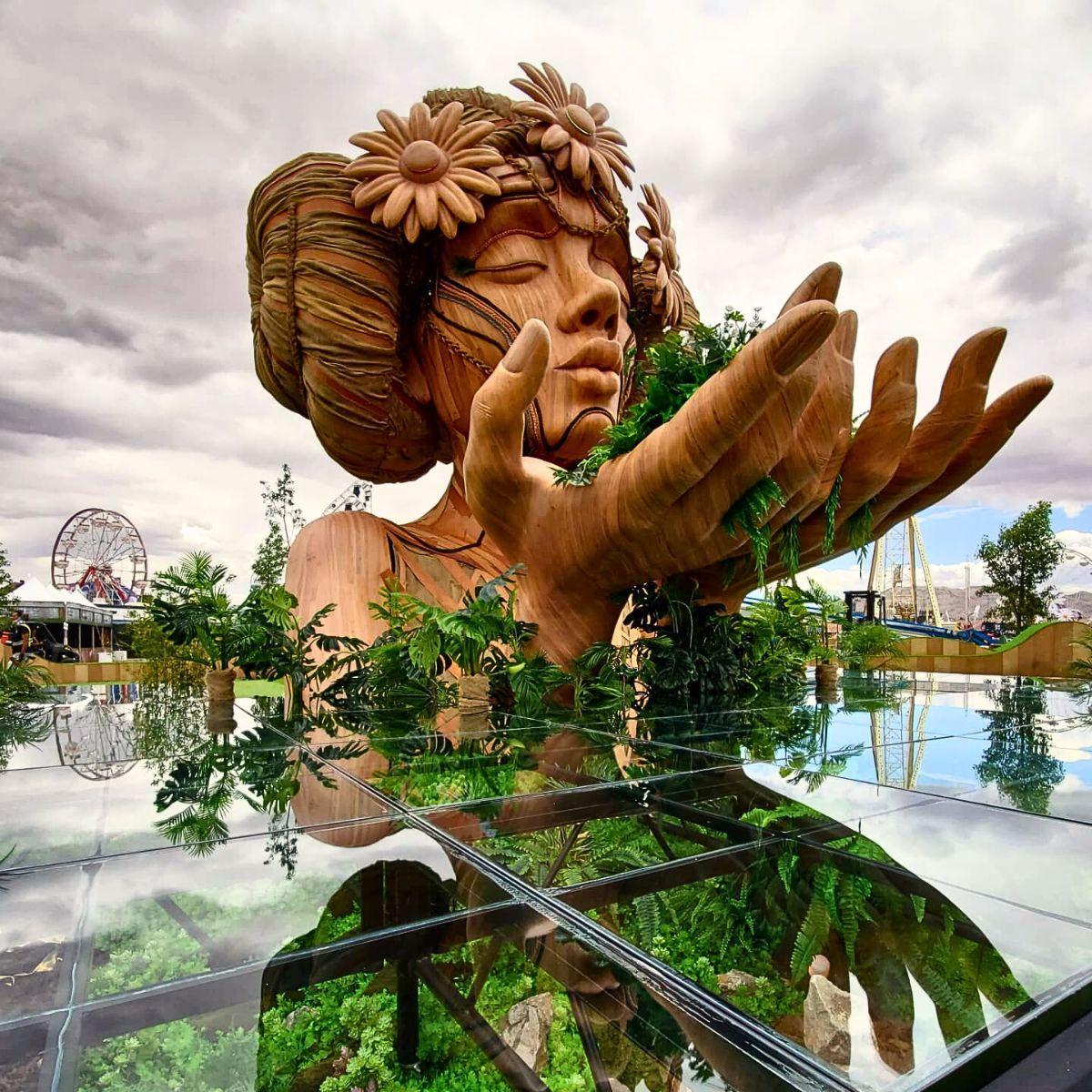
The Giant Buddha of Leshan, located in Sichuan, China, is one of the largest statues in the world, standing 71 meters tall. Carved during the 8th century, it represents the serenity and wisdom of Buddhism, and remains an awe-inspiring intersection of faith, engineering, and time.
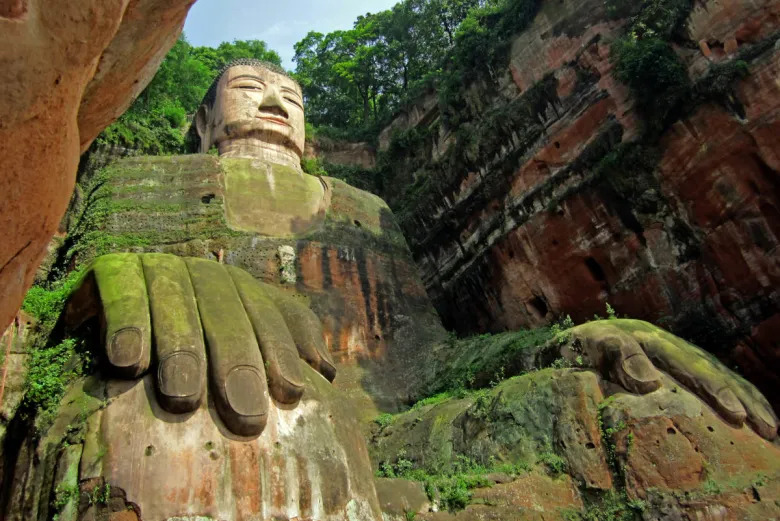
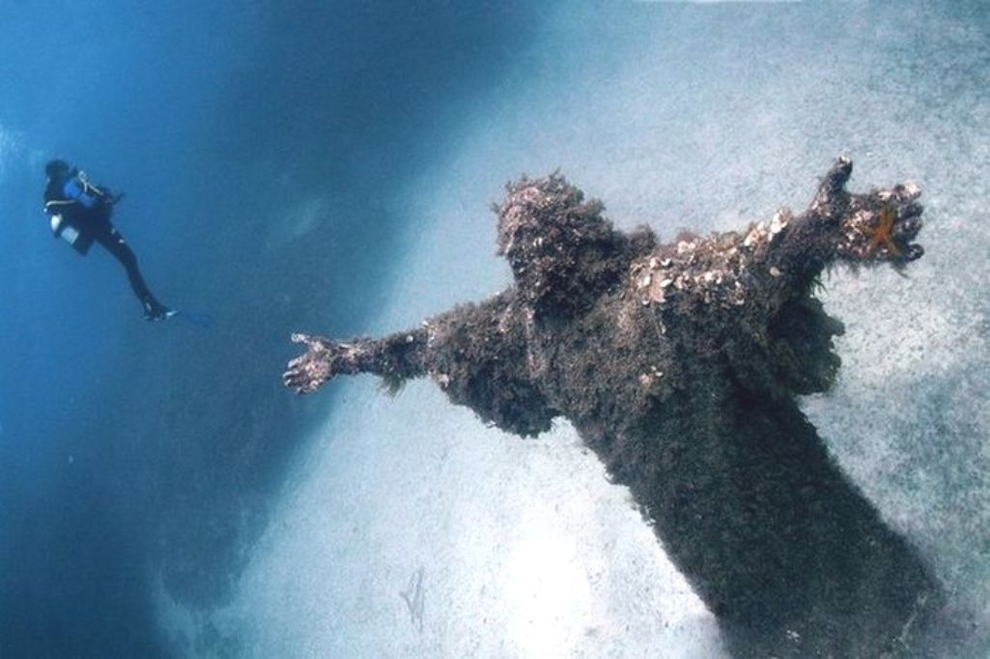
Located in the crystal-clear waters of San Fruttuoso, Italy, stands the underwater statue of Christ of the Abyss. Measuring 2.5 meters tall and made of bronze, it was created by artist Guido Galletti and placed in 1954 as a tribute to deceased divers. It symbolizes peace, faith, and the connection between humans and the sea.
“Christ of the Abyss,” an underwater sculpture in the Florida Keys.
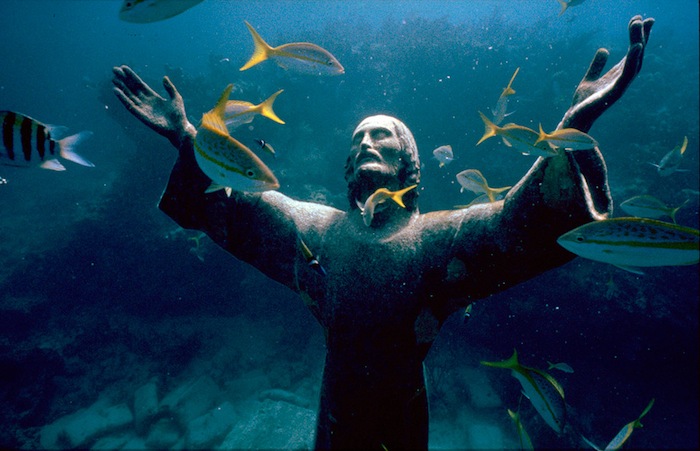
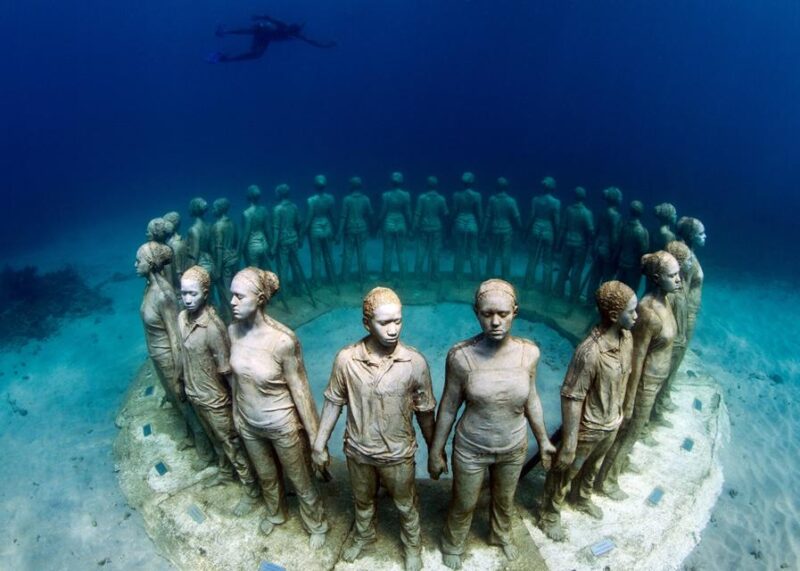
In Indonesia, artist Jason deCaires Taylor created an impressive underwater sculpture made of eco-friendly cement. Standing 5 meters tall, it was designed to promote coral reef conservation. This piece blends art and ecology, serving as a sanctuary for marine life while drawing attention to the fragility of ocean ecosystems.
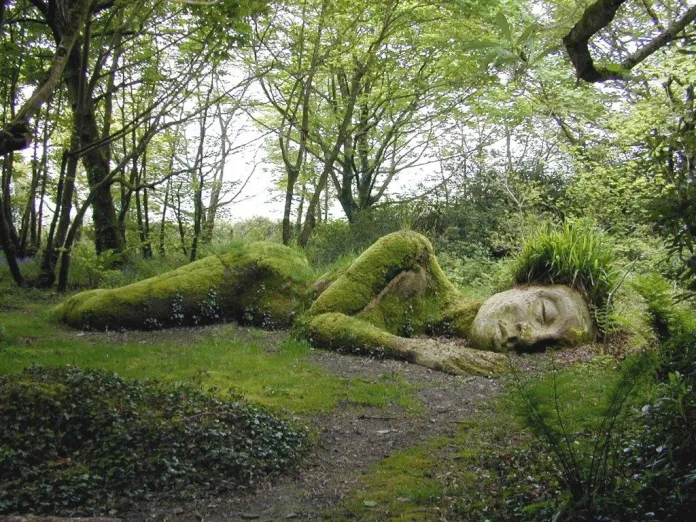
Located in Cornwall, United Kingdom, The Clay Maiden is a 4-meter sculpture made of natural clay. Created by Sue Hill, this piece evokes the relationship between humans and the earth—symbolizing the fragility, transformation, and quiet power of nature over time.
Which one impressed you the most—and what statue in your city deserves to be on this list?